Description
The CHRYSLER Voyager 3.3 V6 Engine, widely referred to as the Voyager Motor, is one of the most recognizable power units used in Chrysler’s minivan lineup from the late 1990s. Found in models produced between 1997 and 2000, this engine was designed to deliver dependable performance, smooth operation, and practical fuel efficiency for family and commercial use.
The Voyager Motor is a 3.3-liter V6 engine built for durability rather than high-performance driving. It became a popular choice because of its balance between power output and long-term reliability. In this guide, we will explore everything you need to know about this engine, including specifications, performance behavior, maintenance needs, and common issues.
Overview of the CHRYSLER Voyager 3.3 V6 Engine
The Voyager Motor belongs to Chrysler’s 60-degree V6 engine family. It was engineered with simplicity and longevity in mind, making it one of the more service-friendly engines of its era.
Its construction includes a cast iron engine block for strength and aluminum cylinder heads to reduce weight. This combination provides a solid foundation for durability while maintaining reasonable efficiency.
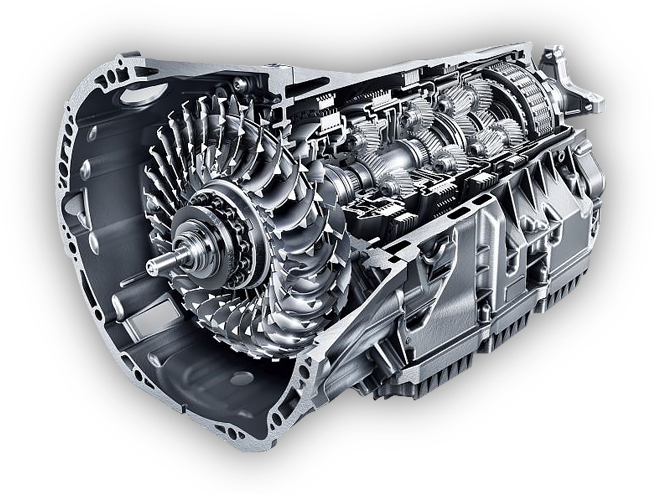
The engine was commonly paired with automatic transmissions in Chrysler Voyager minivans, creating a drivetrain setup that prioritized comfort and ease of use. The Voyager Motor was not designed for sporty acceleration but for steady torque delivery, especially useful when carrying passengers or cargo.
Engine Specifications
The CHRYSLER Voyager 3.3 V6 Engine (1997–2000) comes with the following specifications:
- Engine type: 60° V6, SOHC
- Displacement: 3.3 liters (3301 cc)
- Fuel system: Multi-port fuel injection
- Horsepower: ~158 hp
- Torque: ~203 lb-ft
- Block: Cast iron
- Cylinder heads: Aluminum
- Valvetrain: SOHC, 2 valves per cylinder
These specs highlight the purpose of the Voyager Motor: steady torque, reliable operation, and long service life rather than high-speed performance.
Performance Characteristics of the Voyager Motor
The Voyager Motor delivers smooth and predictable power delivery. Its torque-focused design allows it to perform well under load, which is important for a minivan that often carries multiple passengers or heavy cargo.
Acceleration is moderate, but the engine maintains stability during highway cruising. It is especially efficient at lower RPMs, which helps reduce wear over time and improves fuel economy for its size.
While modern engines may outperform it in efficiency and power, the Voyager Motor is still appreciated for its consistency and mechanical simplicity.
Reliability and Longevity
One of the strongest qualities of the Voyager Motor is its reliability. Many of these engines are known to reach high mileage when properly maintained.
Its simple design reduces the likelihood of complex mechanical failures. Additionally, the use of durable materials such as a cast iron block contributes to its long lifespan.
However, like all engines, longevity depends heavily on routine maintenance. Neglecting oil changes or cooling system care can significantly reduce performance and durability.
Common Problems with the Voyager Motor
Although reliable, the Voyager Motor does have some known issues:
1. Oil leaks
Valve cover gaskets and oil pan seals may wear out over time, leading to minor leaks.
2. Cooling system issues
Water pumps, thermostats, and radiators can degrade with age, potentially causing overheating.
3. Ignition wear
Spark plug wires and coils may fail, leading to misfires or rough running.
4. Idle instability
A dirty throttle body or vacuum leaks can cause rough idling.
5. Transmission strain (indirect issue)
While not part of the engine itself, the automatic transmissions paired with the Voyager Motor may show wear in high-mileage vehicles.
Early diagnosis of these issues can prevent costly repairs.
Maintenance Guide for the Voyager Motor
Proper maintenance is key to keeping the Voyager Motor running efficiently. Recommended practices include:
- Regular oil changes every 5,000–7,000 km
- Cooling system flush every 2–3 years
- Spark plug replacement every 40,000–60,000 km
- Routine inspection of belts and hoses
- Cleaning fuel injectors and throttle body periodically
- Checking for vacuum leaks during service intervals
Consistent care helps ensure smooth operation and extends the life of the engine significantly.
Replacement and Repair Considerations
The Voyager Motor is relatively easy to source due to its widespread use across Chrysler vehicles. Replacement engines are available in used, rebuilt, and remanufactured forms.
When replacing or repairing this engine, compatibility is important. Even small differences between model years can affect sensors, wiring, or emissions components.
Many mechanics recommend choosing a remanufactured unit for better long-term reliability, especially for vehicles intended for daily use.
 English
 Arabic







Reviews
There are no reviews yet.